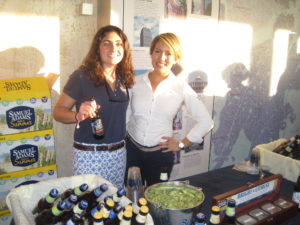
In the Back Bay area of Boston you will find many delightful places to eat. There are elegant dinners that are ideal for business meetings and first dates. There is an even that is yearly called, “The taste of the Back Bay” and it allows you to sample the foods that are served in this area. There is also live music and adult beverages to sip on.
The Foods You Can Savor
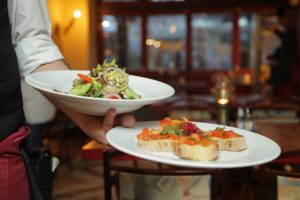
Some of the featured restaurants include places like the Bar Boulud, Bristol Restaurant and Bar, Lucca, Precinct, and Top of the Hub. They each have a large selection on their menus that will range from seafood to steaks. If you are looking for affordable, many also have fresh grilled burgers and fries for you to enjoy.
They all also have affordable drinks with specials each night. This will make it easier on your pocket to enjoy the finer things in life, especially the food and drinks that we all love so much.
Are You Ready to Eat, Drink, and Have Fun?
This annual event has grown in popularity for the last 22 years. People come from all of the surrounding areas to attend and tickets are affordable, but worth every penny. As an added bonus, 10% of all proceeds are dedicated to a charity that provides food for those in need. Can you think of a better way to spend an evening than eating, sipping wine, listening to music, and giving back to the community?
We live in a world where everyone is concerned about the future. We are trying to preserve our world so that future generations can enjoy it. We are turning to solar power over traditional, electric power. We are using eco friendly water faucets and shower heads in our home. Now, as more and more homes are focusing on eco friendly items, restaurants are taking action as well. Therefore, eco friendly kitchens and baths are the future of the restaurant biz in most areas.
Why Restaurants are Going Eco-Friendly
When you think about it, restaurants are very wasteful. There are food scraps that get tossed away at the end of the day and loads of dishes to wash. Plus, no other area will have as many visitors using the bathrooms, washing their hands, and other things. It isn’t any surprise that their water consumption is extremely high, even though no one takes showers in a restaurant. In order to preserve the future, we must do everything we can, starting with our homes and ending with our busiest businesses. Restaurants are climbing on board and for that; our future grandkids will be grateful. Especially since estimates indicate that on any given day, a restaurant will use nearly 6,000 gallons of water each day.
How Restaurants Can Save Water
Think about how much water a restaurant uses in their kitchen, bathrooms, irrigation or landscapes, and then cleaning up at the end of each day. Each area uses a lot of water, but most of it is wasted in the kitchen and bathrooms. Therefore, one of the best ways to save water is to upgrade those areas. Instead of traditional faucets, they can use high pressure faucets and those that are touch or sensor activated. This will prevent people from running more water than they need, especially if there is a sensor on it. A great site to view a variety of these eco friendly plumbing supplies is Pro Shower Source. Here you will find low flow heads as well as solutions for low water pressure.
Additionally, the toilets can also be upgraded so that they are high pressure, low flow toilets. These toilets will stay cleaner longer and use less water than the older style toilets. Setting irrigation systems to only run a couple hours every few days will save water there and then all you have is clean, which uses very little water because most places use cleaners.
Other Ways to Save
Restaurants can save money and resources by upgrading lights to run more efficiently. LED bulbs and motion sensor lights are a good place to start. You can also save by turning down your thermostat, but be prepared to have some people complain about being too hot or too cold. However, most all people will not notice just a few degrees difference, so you should be able to turn it down from 72 to 68 during the winter or up to 76 during the summer. Energy efficient appliances in the kitchen can also help. Dish washers that use very little water and power are a bonus, but mostly you will want to run it only when full. If you are willing to do a few very simple things, your improvements can pay for themselves in a very short time. Are you willing to do what you can for the future?
Being a new parent poses a lot of challenges that many people are not always comfortable with. One of the biggest and hardest things to do is go out without the baby. Not many new parents feel comfortable leaving their newborn with a babysitter so that they can go out. This means finding ways to take your baby along or only going to places where an infant can fit in. Luckily, many parents have begun to notice, bringing baby to dinner can be enjoyable.
Babies in Restaurants
One thing a new parent will notice quickly is that often, when they sit down to dinner; baby will stop sleeping peacefully and start fussing. Most moms and dads learn how to eat with one hand and hold their infant with the other. It is a challenge, but if that is what it takes to keep their little one happy, they are happy to do it. If your little one is old enough to sample foods, you are going to have an easier time of enjoying your meal. If they are an infant, chances are good, they will become tired, cranky, or over-stimulated by all the noise and activities going on around them. There is some good news though. You no longer have to avoid restaurants because you fear how your baby will react.
Ways to Make Restaurants Enjoyable
One of the best things you can do for your little one to help you and everyone around you to enjoy meal time, is to dine when your little one is resting. If you know that they take a long nap at around 6pm, try to plan your restaurant visit for that time. From there, you may also want to give them a comfortable place to sleep. If they are not comfortable in their infant carrier for an hour-long nap, you may consider taking along a portable baby bed that you can set up beside your table. There are a lot of great options for round baby cribs and beds on https://babycomfortauthority.com for you to take a look at. The key to success may be that you allow your little one to sleep in the new, portable bed to get them used to it before you attempt to put them in it while you are enjoying a dinner.
When All Else Fails
Most other parents will understand that babies have a mind of their own. Not all of them will approve of you taking your little one out for dinner, but most will be sympathetic instead of annoyed when your infant decides to show their personality in a big way. However, if you are still concerned, you can step outside to let your little one calm down for a minute and keep your baby bottle or nursing wrap within easy reach for those times when nothing else works. The important thing is to keep your cool. Smile at your little one and talk to them. Assure them that they are safe amid the noise and that you are there with them. The rest will be easier as the evening goes on.
Have you been looking for a new way to spice up dinner time? The answer could be closer than you expect. There is a way to explore, enjoy fine dining, and experience something that not everyone has done in the past. Dining on a boat in the Back Bay will give you a unique view of the local bay and an experience you will never forget. Are you ready to venture out on a dinner cruise and enjoy cruising the bay by boat?
The Experience
Many boats that offer a dining experience also offer other things to delight the people on board. They are scenic and offer the best views of the bay area. Many of them offer music and dancing, drinks, big meals, and more. The meals are prepared for you by chefs who work on the boat so that you can simply sit back and relax. Some boats even give guests a chance to take an extended trip out, where they can fish and get a feel for what deep water is all about.
Choose Your Experiences
Before you step on a boat, you need to make sure that it is going to give you all the wonderful things that you want to experience the most. If dancing isn’t something that you feel is important or going to make your trip out more special, you should choose a boat that focuses more on other aspects. For instance, instead of dancing, they may go out further into the water or offer the best views of the Back Bay. Instead of dancing, they may offer free drinks after a certain hour or during dinner time when most people want to enjoy their favorite wines. The truth is, there are many boats available for dinner cruises and you can pick the outing that you want the most.
Make Sure It Meets Your Standards
Reading reviews is a great way to discover whether it will be a trip that you will enjoy on any given boat. However, those reviews may not always tell you everything you want to know. You need to do a little more research and perhaps look at the boat itself to see if it is up to par before you purchase tickets for dinner. They should be safe boats that have safety equipment available. This means they should have a monitor that checks the battery’s power to ensure you will be able to get back to shore with the on-board batteries, gauges that tell the captain what is going on with the boat, and a fire extinguisher that is large enough to handle issues as they come up. These boats should also have a life raft that is large enough to accommodate all passengers and crew as well as enough life jackets for everyone. If they are fishing and dinner boats, you need to make sure that they can put you where the fish are. This means a fish finder should be on board. In short, there should be everything you need on board to feel safe and comfortable while out on the water.
Remember those simple times of the past when men would enjoy their dinners and step out to enjoy a fine cigar along with a shot of scotch, bourbon, or another beverage? It was a time when they could relax and talk about politics or business ventures while savoring the fact they had a full belly. Eventually, it became standard that they would enjoy a cigar dinner, but it has faded away with the smoking ban that is becoming more common everywhere. Luckily, it is not forgotten in some areas and is even making a comeback. Are you ready to enjoy a cigar dinner as a new dining experience?
What Is a Cigar Dinner?
Unlike the days when men would slip off to enjoy cigars and brandy, cigar diners enable everyone to enjoy their cigar before diner, during dinner, and afterward. Now, the cigar may be accompanied by red or white wine, depending on the main course and which would taste better with it. It is accompanied by a delightful dinner of steak or some other cuisine. Someone may take a draw or two off their cigar to mix the flavors together or use it as a way to relax between main courses. The choice is yours, but unfortunately, it may be a little difficult to find a place to savor your favorite cigar among friends who are doing the same. You may need to choose carefully and not have a lot of selection to choose from, depending on where you live.
Are Cigar Dinners around in Back Bay?
It is rare to find a place to enjoy great food, smooth wine, and fine cigars. The smoking ban has knocked out most all of the opportunities to enjoy it. In some areas, you are required to go to a cigar shop to purchase your cigars and then sit in your home to enjoy it. However, in the Black Bay area, you do have the opportunity to experience what a cigar dinner is all about, the way it was meant to be enjoyed. The thing is, you may have to look around for the perfect place to go. There are not many places that offer this special dining experience. Of the available places to go, you will find very high reviews from people who have visited on those special nights.
Things You Will See at a Cigar Dinner
There are a lot of things for you to see at a cigar dinner since true cigar enjoyment does require a few accessories for true enjoyment. For instance, you will see crystal ashtrays, torch lighters, matches, cigar pokers, and even cigar lockers and holders. The restaurants and pubs that have this type of dinner may also have air purifiers around to help keep the odor of cigar smoke down. They may also have cigar case for you to put your cigar in when you are not smoking it. It can hold it while you are eating your dinner or your desert and avoid leaving it in the ashtray or holders.
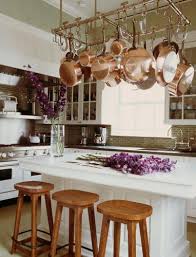
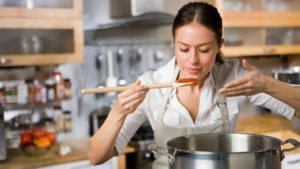
Most everyone who loves cooking enjoys having things go smoothly inside of the kitchen. Who wouldn’t? If you spend a day putting together a feast that is fit for even the most eclectic connoisseur, be it your picky two-year-old or your mom, you do not need struggles within the most important room of your home. Therefore, I am going to share some of my most favorite kitchen tips for everyone who loves, or even hates, to cook, so that everything in your kitchen can run smoothly, no matter how stressful the situation you are dealing with may be.
Increase the Functionality
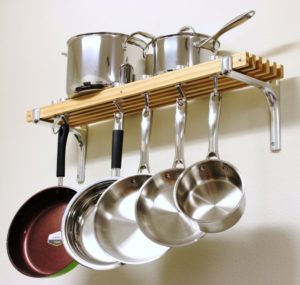
Look around your kitchen. Are there any areas that feel dark? If so, you may want to add more lighting, because any time you do not have enough lighting in your kitchen; you end up with a dark, dingy place that could look dirtier than you want for it to. From there, you may want to check your knives. Make sure that your knives are sharp and this will ensure that when you are carving a turkey or a ham, you end up with nice slices that even your mom will be proud of. You should also consider putting your most used items within easy reach. For instance, frequently used pots and pans can be hung from an area on the wall or overhead rather than crammed in a cabinet and you can reserve the cabinets for things that are easier to keep organized. If you don’t have wall space to hang them from, you may still want to consider purchasing racks for pot lids which can sit inside the cabinet or on top of it.
Give It a Makeover
Never underestimate the power of paint. Painting your walls or cabinets can give your kitchen an easy face lift. It will also give you a good reason to clear off the junk from your counter tops and hopefully find a new place to store them. While you are clearing off counters, look at your faucet. If it is dirty or old looking, you may want to consider upgrading it to a new one, especially since most people now prefer the high spout faucets.
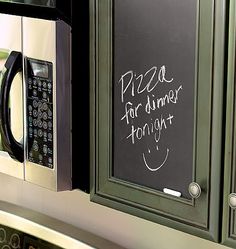
If you are someone who cooks new recipes often, you may even want to consider how to chalk paint cabinets since it will give you an easy place to write down a recipe so you do not have to look at small print in a book or magazine. The people who do not want to write down recipe secrets on their counters can use it for shopping lists and notes instead of using their refrigerator and sticky notes.
It Is Worth It
There are so many things you can do in a kitchen to make it look nicer, function better, and perform the way you want it to. It is the one room in your home that you may have neglected. Most of us have a junk drawer in it, which could be turned into usable space and we have cabinets and counter tops that are filled to overflowing. No one could cook in a disorganized mess. Why would you want to try?
 In the Back Bay area of Boston you will find many delightful places to eat. There are elegant dinners that are ideal for business meetings and first dates. There is an even that is yearly called, “The taste of the Back Bay” and it allows you to sample the foods that are served in this area. There is also live music and adult beverages to sip on.
 Some of the featured restaurants include places like the Bar Boulud, Bristol Restaurant and Bar, Lucca, Precinct, and Top of the Hub. They each have a large selection on their menus that will range from seafood to steaks. If you are looking for affordable, many also have fresh grilled burgers and fries for you to enjoy.
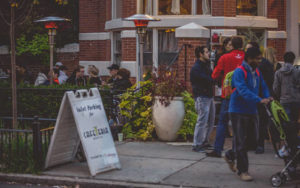 This annual event has grown in popularity for the last 22 years. People come from all of the surrounding areas to attend and tickets are affordable, but worth every penny. As an added bonus, 10% of all proceeds are dedicated to a charity that provides food for those in need. Can you think of a better way to spend an evening than eating, sipping wine, listening to music, and giving back to the community?
 We live in a world where everyone is concerned about the future. We are trying to preserve our world so that future generations can enjoy it. We are turning to solar power over traditional, electric power. We are using eco friendly water faucets and shower heads in our home. Now, as more and more homes are focusing on eco friendly items, restaurants are taking action as well. Therefore, eco friendly kitchens and baths are the future of the restaurant biz in most areas.
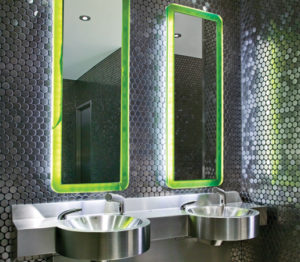 When you think about it, restaurants are very wasteful. There are food scraps that get tossed away at the end of the day and loads of dishes to wash. Plus, no other area will have as many visitors using the bathrooms, washing their hands, and other things. It isn’t any surprise that their water consumption is extremely high, even though no one takes showers in a restaurant. In order to preserve the future, we must do everything we can, starting with our homes and ending with our busiest businesses. Restaurants are climbing on board and for that; our future grandkids will be grateful. Especially since estimates indicate that on any given day, a restaurant will use nearly 6,000 gallons of water each day.
 Restaurants can save money and resources by upgrading lights to run more efficiently. LED bulbs and motion sensor lights are a good place to start. You can also save by turning down your thermostat, but be prepared to have some people complain about being too hot or too cold. However, most all people will not notice just a few degrees difference, so you should be able to turn it down from 72 to 68 during the winter or up to 76 during the summer. Energy efficient appliances in the kitchen can also help. Dish washers that use very little water and power are a bonus, but mostly you will want to run it only when full. If you are willing to do a few very simple things, your improvements can pay for themselves in a very short time. Are you willing to do what you can for the future?
 Being a new parent poses a lot of challenges that many people are not always comfortable with. One of the biggest and hardest things to do is go out without the baby. Not many new parents feel comfortable leaving their newborn with a babysitter so that they can go out. This means finding ways to take your baby along or only going to places where an infant can fit in. Luckily, many parents have begun to notice, bringing baby to dinner can be enjoyable.
 One thing a new parent will notice quickly is that often, when they sit down to dinner; baby will stop sleeping peacefully and start fussing. Most moms and dads learn how to eat with one hand and hold their infant with the other. It is a challenge, but if that is what it takes to keep their little one happy, they are happy to do it. If your little one is old enough to sample foods, you are going to have an easier time of enjoying your meal. If they are an infant, chances are good, they will become tired, cranky, or over-stimulated by all the noise and activities going on around them. There is some good news though. You no longer have to avoid restaurants because you fear how your baby will react.
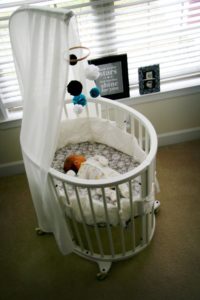 Most other parents will understand that babies have a mind of their own. Not all of them will approve of you taking your little one out for dinner, but most will be sympathetic instead of annoyed when your infant decides to show their personality in a big way. However, if you are still concerned, you can step outside to let your little one calm down for a minute and keep your baby bottle or nursing wrap within easy reach for those times when nothing else works. The important thing is to keep your cool. Smile at your little one and talk to them. Assure them that they are safe amid the noise and that you are there with them. The rest will be easier as the evening goes on.
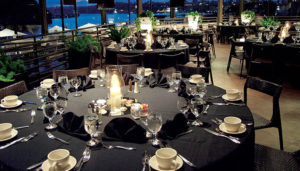 Have you been looking for a new way to spice up dinner time? The answer could be closer than you expect. There is a way to explore, enjoy fine dining, and experience something that not everyone has done in the past. Dining on a boat in the Back Bay will give you a unique view of the local bay and an
  Many boats that offer a dining experience also offer other things to
  Before you step on a boat, you need to make sure that it is going to give you all the wonderful things that you want to experience the most. If dancing isn’t something that you feel is important or going to make your trip out more special, you should choose a boat that focuses more on other aspects. For instance, instead of dancing, they may go out further into the water or
 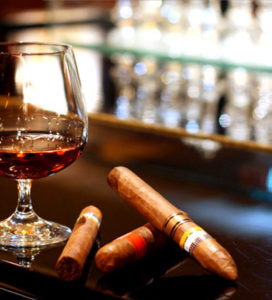 Remember those simple times of the past when men would enjoy their dinners and step out to enjoy a fine cigar along with a shot of scotch, bourbon, or another beverage? It was a time when they could relax and talk about politics or business ventures while savoring the fact they had a full belly. Eventually, it became standard that they would enjoy a cigar dinner, but it has faded away with the
  Unlike the days when men would slip off to enjoy cigars and brandy, cigar diners enable everyone to enjoy their cigar before diner, during dinner, and afterward. Now, the cigar may be accompanied by
 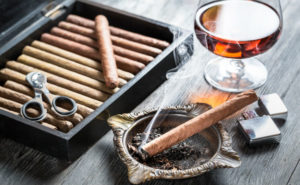 There are a lot of things for you to see at a cigar dinner since true cigar enjoyment does require a few accessories for true enjoyment. For instance, you will see crystal ashtrays, torch lighters, matches, cigar pokers, and even
  Most everyone who loves cooking enjoys having things go smoothly inside of the kitchen. Who wouldn’t? If you spend a day putting together a feast that is fit for even the most eclectic connoisseur, be it your picky two-year-old or your mom, you do not need struggles within the most important room of your home. Therefore, I am going to share some of my most favorite
  Look around your kitchen. Are there any areas that feel dark? If so, you may want to add more lighting, because any time you do not have enough lighting in your kitchen; you end up with a dark, dingy place that could look dirtier than you want for it to. From there, you may want to check your knives. Make sure that your
  Never underestimate the power of paint. Painting your walls or cabinets can give your kitchen an easy face lift. It will also give you a good reason to clear off the junk from your counter tops and hopefully find a new place to store them. While you are
  There are so many things you can do in a kitchen to make it look nicer, function better, and perform the way you want it to. It is the one room in your home that you may have neglected. Most of us have a junk drawer in it, which could be turned into